

Gentle Orthodontic Care for Children
Early Orthodontic Care in Victoria
Early Orthodontics
Victoria Orthodontics provides Phase 1 orthodontics and early evaluations for children in Victoria, MN. Led by board-certified orthodontist Dr. Benjamin Allen, our practice gives families honest recommendations based on each child’s developing teeth, bite, jaw growth, and long-term needs. An evaluation can determine whether treatment should begin now or whether growth monitoring is the better choice.
What Is Early Orthodontic Treatment for Children?
Early orthodontic treatment evaluates and addresses developing tooth, bite, and jaw concerns while a child still has a combination of baby and permanent teeth. It may also be called interceptive orthodontics or early intervention care.
The goal is not simply to straighten visible teeth. Treatment may guide jaw development, create room for permanent teeth, improve bite alignment, and address concerns that could become harder to manage later.
Does Every Child Need Early Treatment?
No. Some children benefit from timely care, while others only need periodic observation. We recommend treatment when it offers a clear developmental or functional benefit. When waiting is appropriate, we explain why and continue monitoring the child’s growth.
At What Age Should My Child See an Orthodontist?
Children should generally receive an orthodontic evaluation around age seven. By this stage, several permanent teeth have usually emerged, allowing an orthodontist to assess:
- Jaw growth and facial balance
- Bite relationships
- Permanent tooth eruption
- Crowding or limited space
- Crossbites and underbites
- Protruding teeth
- Oral habits
Age seven is an evaluation point, not a universal starting age for care. Some children may benefit from treatment between ages six and ten, while others continue with observation.
When Does Treatment Begin?
Timing depends on the child’s development and the concern being addressed. Care may begin when growth can help improve jaw relationships, manage eruption, protect vulnerable teeth, or create needed space.
Why Does My Child Need an Evaluation if They Still Have Baby Teeth?
Baby teeth hold space, guide permanent teeth into position, and reveal important information about jaw growth and bite development.
An early orthodontic evaluation may identify:
- Early or delayed loss of baby teeth
- Permanent teeth erupting out of position
- Limited space for adult teeth
- Crossbites, underbites, or open bites
- Jaw shifting
- Protruding front teeth
- Oral habits affecting development
Waiting until every permanent tooth erupts may reduce the opportunity to address certain growth or spacing concerns.
How Do I Know if My Child Needs Early Orthodontic Care?
Parents may consider an evaluation when they notice:
- Crowded or overlapping teeth
- Protruding front teeth
- An underbite, overbite, crossbite, or open bite
- Difficulty biting or chewing
- A jaw that shifts when closing
- Teeth that do not meet correctly
- Prolonged thumb-sucking or finger-sucking
- Mouth breathing
- Permanent teeth emerging in unusual positions
- A jaw that appears narrow or uneven
These signs do not confirm that treatment is necessary. They indicate that a professional assessment may provide useful guidance.
When Are Braces Used for Protruding Teeth?
Braces for protruding teeth may be recommended when tooth position or jaw relationships cause the front teeth to extend too far forward. These teeth may be more vulnerable to injury.
Treatment depends on the cause. A child may benefit from limited braces, an appliance, growth guidance, or monitoring until more permanent teeth emerge.
What Problems Can Interceptive Care Correct?
Early care may address selected dental and jaw concerns while growth is still occurring.
Crowding and Limited Space
Treatment may preserve or create room for permanent teeth and support healthier eruption patterns.
Crossbites and Jaw Shifts
A crossbite occurs when upper teeth fit inside the lower teeth. Timely correction may improve bite function and reduce uneven jaw movement.
Underbites, Overbites, and Open Bites
Orthodontic care may guide developing jaw relationships and improve how the upper and lower teeth fit together. Open bites may also involve thumb-sucking, tongue habits, or growth patterns.
Protruding Teeth and Oral Habits
Treatment may reduce the projection of vulnerable front teeth and address habits that affect tooth position or jaw development.
What Appliances Are Used in Early Intervention Care?
The appliance selected depends on the child’s diagnosis and treatment goals. Possible options may include:
- Limited braces
- Palatal expanders
- Space maintainers
- Retainers
- Habit appliances
- Other removable or fixed devices
There is no one-size-fits-all solution. Families receive a clear explanation of what the appliance is intended to accomplish and what daily care involves.
Are Early Braces Always Necessary?
No. Early braces are only one possible option. Some children may benefit from another appliance, while others may only need observation.
What Are the Benefits of Early Orthodontic Treatment?
When properly timed, early care may:
- Guide jaw growth
- Improve bite relationships
- Create or preserve space
- Support permanent tooth eruption
- Reduce exposure of protruding teeth
- Address harmful oral habits
- Make later care more predictable
- Reduce future treatment complexity in some cases
Early intervention does not guarantee that braces, extractions, or surgery will never be needed. We explain realistic goals based on each child’s development.
Can Early Care Prevent Braces Later?
Not always. Many children still need comprehensive treatment after their permanent teeth erupt. Early care focuses on a specific developmental concern, while later treatment completes alignment and bite correction.
What Happens During My Child’s First Ortho Appointment?
The first visit is an evaluation, not a commitment to treatment. It may include:
- A discussion of your concerns
- A review of dental and health history
- An examination of the teeth, bite, jaws, and facial balance
- Photographs, imaging, or digital records when appropriate
- An explanation of whether care is needed
- A discussion of options, timing, and costs
- A monitoring recommendation when immediate treatment is unnecessary
We explain our findings clearly and give families time to consider their options.
What if My Child Is Nervous?
Our practice is designed to help children feel comfortable and respected. Dr. Allen uses a gentle approach, explains each step, and avoids rushing appointments.
What Is the Difference Between First-Stage and Second-Stage Care?
First-stage care usually occurs while a child has both baby and permanent teeth. It may address jaw growth, bite development, spacing, eruption, protruding teeth, or oral habits.
Second-stage care generally begins after most permanent teeth have emerged. It focuses on final alignment and bite correction and may involve full braces or clear aligners.
Many children benefit from both stages, but treatment needs vary. We monitor development and explain whether additional care is recommended.
How Long Does Early Orthodontic Treatment Take?
Treatment length depends on the condition, appliance, child’s growth, and tooth eruption. Some plans last several months, while others continue for more than a year.
Progress may be affected by:
- The severity of the concern
- The appliance used
- Growth and tooth eruption
- Appointment attendance
- Appliance wear
- Oral hygiene
- Following care instructions
A personalized timeline is provided after the evaluation.
What Happens After Treatment Is Completed?
Many children enter an observation period after active care. This allows remaining permanent teeth to emerge while we monitor the bite and jaw development.
Follow-up care may include:
- Retainer or holding appliance use
- Periodic growth checks
- Monitoring tooth eruption
- Updated orthodontic records
- Evaluating the need for comprehensive treatment
There may be a pause between treatment stages. This allows natural growth to provide the information needed for the next decision.
How Much Does Phase 1 Orthodontic Treatment Cost?
Cost depends on the child’s diagnosis and recommended plan. Factors may include:
- The condition being treated
- The appliance used
- Treatment length
- The number of appointments
- Diagnostic records
- Insurance benefits
- Payment arrangements
Families receive a clear explanation of recommended care and associated fees before treatment begins.
Does Insurance Cover Early Care?
Coverage varies by plan. Parents should review lifetime orthodontic maximums, age restrictions, deductibles, waiting periods, and coverage percentages.
Our team can help families understand available benefit information, although final coverage decisions come from the insurance provider.
Why Choose Our Practice for Early Orthodontic Care?
Dr. Benjamin Allen is board-certified by the American Board of Orthodontics and has additional training as a physician and oral surgeon. His multidisciplinary background provides a broad perspective when evaluating jaw growth, facial structures, bite function, and tooth alignment.
Our practice also emphasizes:
- Honest recommendations without pressure
- Customized treatment planning
- Clear explanations
- Gentle care
- Respectful communication
- Appointments that do not feel rushed
- Monitoring when immediate care is unnecessary
Each plan considers the child’s alignment, bite, jaw development, facial balance, tooth eruption, comfort, and long-term oral health.
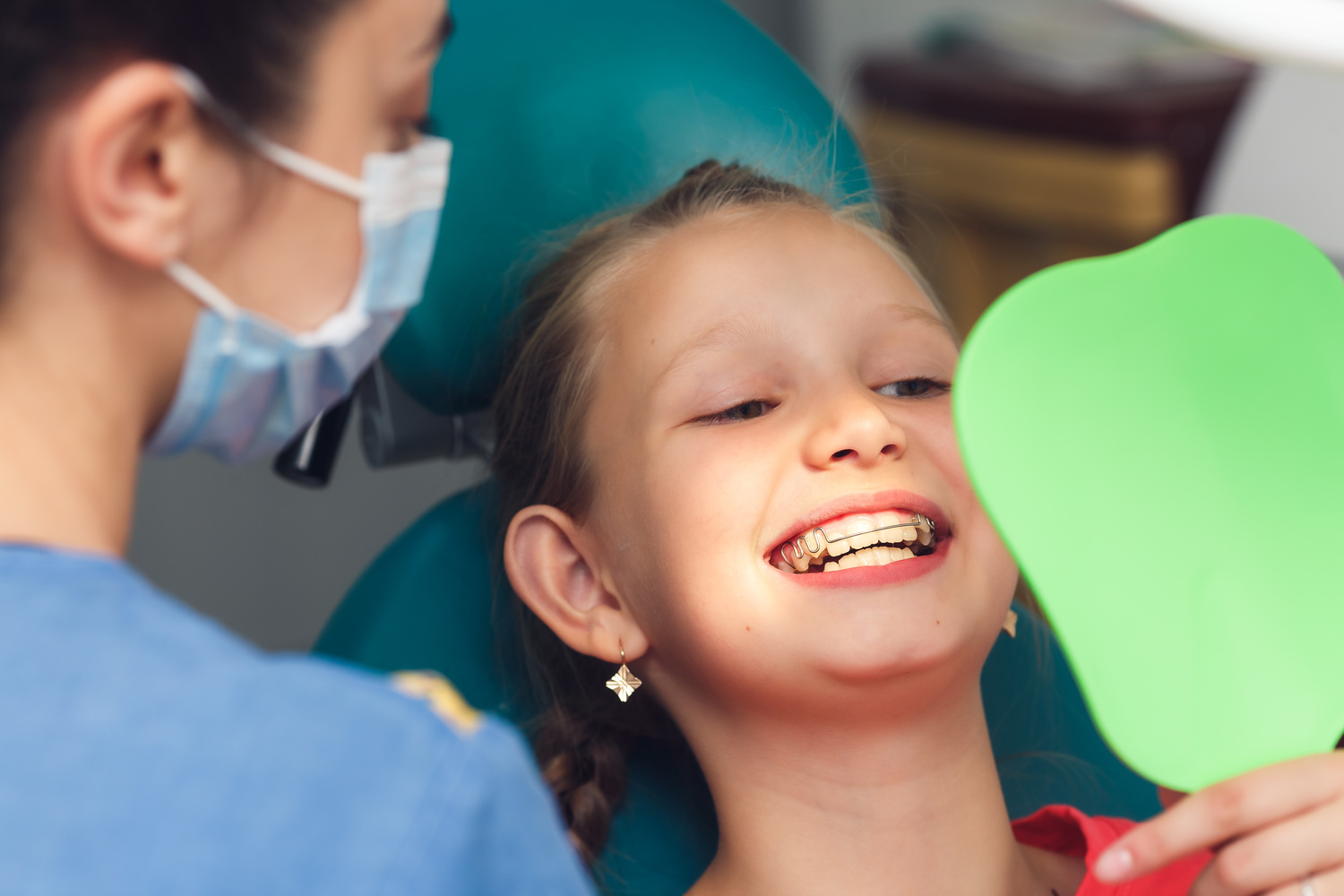
Schedule an Early Orthodontic Evaluation in Victoria, MN
An early evaluation can provide useful information even when treatment is not needed right away. It allows your family to understand how your child’s teeth, bite, and jaws are developing and whether monitoring or timely care is appropriate.
Victoria Orthodontics provides honest, customized early orthodontic care for children in Victoria, MN. Call 952.222.1432 to schedule a consultation with Dr. Benjamin Allen and take the first step with a plan your family can trust.